
NFT (Non-Fungible Token) has recently become a popular topic in the digital world. Many people started paying attention to NFT technology after Ghozali Everyday successfully sold a collection of selfies taken over five years as NFTs for billions of rupiah on OpenSea.
Because of stories like this, many individuals are curious about what NFT is and how it works. Therefore, understanding the concept of NFTs is important before deciding to participate in this digital asset ecosystem.
What Is NFT (Non-Fungible Token)?
An NFT (Non-Fungible Token) is a digital asset that represents ownership of a unique item stored on a blockchain network. In other words, NFTs allow people to buy, sell, and trade digital items while proving who owns the original asset.
The concept of NFT first appeared in 2014 on a platform called Counterparty through a project known as Quantum. Since then, the technology has continued to grow and attract global attention.
Unlike traditional digital files that anyone can copy, NFTs have unique identifiers recorded on the blockchain. As a result, each NFT has a verified ownership record that no one can easily duplicate.
Furthermore, NFTs operate on blockchain technology, the same system used by cryptocurrencies such as Bitcoin. However, cryptocurrencies are fungible, which means each unit has equal value and can be exchanged. NFTs are different because they are non-fungible, meaning each token represents a unique digital asset.
Growth of NFT (Non-Fungible Token) in the Digital Economy
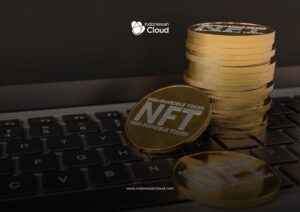
Between 2017 and 2020, interest in NFTs increased significantly. Many individuals, artists, and companies started exploring this technology.
For example, companies such as Nike and organizations like National Basketball Association introduced NFT projects. These projects included digital sneakers and collectible basketball cards that fans could purchase and collect digitally.
Because of this trend, experts believe that NFTs can be applied to many types of digital assets. In addition, NFTs may also represent ownership records, licenses, or other types of digital documentation.
How NFT (Non-Fungible Token) Is Bought and Sold
Today, people usually trade NFTs on specialized marketplaces such as OpenSea.
When someone purchases an NFT, the buyer does not always receive the digital file itself. Instead, the buyer receives a blockchain certificate of ownership that proves the asset belongs to them.
This ownership record is stored on a blockchain network. Therefore, anyone can verify who owns the NFT.
To store NFTs safely, users typically use digital wallets such as MetaMask. These wallets allow users to access, manage, and secure their digital assets.
As a result, NFT ownership becomes transparent and secure because every transaction is recorded on the blockchain.
Types of Digital and Physical Assets Represented by NFTs
NFTs can represent many types of assets. In general, these assets fall into two main categories.
Digital Assets Represented by NFTs
NFTs are widely used for digital creative works, including:
-
Digital images and GIF files
-
Digital collectibles
-
Music files
-
Video content
-
Virtual items in games
Because NFTs prove authenticity and ownership, digital creators can protect and monetize their work more effectively.
Physical or Real-World Assets Represented by NFTs
In addition to digital art, NFTs can also represent ownership of real-world items. For example:
-
Legal documents
-
Event tickets
-
Property ownership records
-
Collectible items
Therefore, NFTs may play a role in verifying ownership and authenticity in various industries.
Benefits of NFT (Non-Fungible Token) Technology
NFT technology provides several advantages for creators, collectors, and businesses.
Copyright Protection
NFTs provide clear proof of ownership because the blockchain records the creator and owner of each token.
As a result, the asset cannot be duplicated or claimed by another person. Furthermore, creators maintain stronger control over their intellectual property.
Monetization Opportunities for Creators
NFTs allow artists to transform digital creations into tradable assets.
Creators can sell their work on NFT marketplaces. Therefore, artists, designers, and musicians can generate income directly from their digital creations.
Secure Digital Storage
Blockchain networks store NFT ownership records. Because blockchain systems use distributed technology, the data is extremely difficult to modify or hack.
As a result, NFT assets benefit from strong security and transparent transaction records.
Conclusion
NFT (Non-Fungible Token) technology has become an important innovation in the digital economy. NFTs allow individuals to buy, sell, and prove ownership of digital assets using blockchain technology.
Furthermore, NFTs create new opportunities for artists, collectors, and businesses. Creators can monetize their work, while collectors can own unique digital assets.
As blockchain adoption continues to grow, businesses can also apply NFTs to areas such as digital identity, asset ownership verification, and digital documentation.
If you would like to explore more technology insights or learn about cloud solutions, you can visit the official websites of Indonesian Cloud at Indonesiancloud.com and the VPS service platform cloudhostingaja.com.
Stay tuned for more technology articles and insights in the future.