
The rise of DeFi (Decentralized Finance) has started a major transformation in the financial world. DeFi removes the need for traditional intermediaries such as banks or financial institutions. Instead, it uses blockchain technology to create an open and transparent financial system.
Blockchain allows financial transactions to run securely without central control. As a result, users can interact directly with financial services. In addition, the system provides transparency because every transaction is recorded on a distributed ledger.
This innovation also expands access to financial services. Many people who were previously excluded from traditional banking can now participate in the financial ecosystem. Furthermore, users can trade, lend, borrow, and manage assets without asking permission from third parties.
Because the system is decentralized, transaction costs can be lower. At the same time, financial innovation continues to grow. New models such as staking, yield farming, and automated protocols are becoming popular. Therefore, DeFi is often seen as a major step toward a more open global financial system.
What is DeFi?
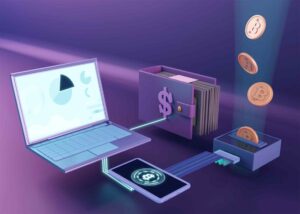
DeFi refers to a decentralized financial system that does not rely on banks or traditional financial institutions. Instead, it operates through blockchain networks and smart contracts.
Smart contracts are automated programs that execute transactions when certain conditions are met. Because of this technology, financial services can run without central authorities.
Furthermore, decentralized finance allows users to perform many activities. For example, they can exchange digital assets, access loans, or invest through decentralized platforms. All these activities happen directly between users.
However, decentralized finance also comes with challenges. Market volatility can affect crypto assets significantly. In addition, security risks may appear if platforms do not implement strong protection systems.
Even so, the growth of decentralized finance shows a clear shift in the financial industry. Individuals now have more control over their assets and financial decisions. As the ecosystem continues to grow, regulations and security improvements will become increasingly important.
How DeFi is Transforming the Financial System
Decentralized finance offers several advantages compared to traditional systems. These advantages explain why the technology attracts global attention.
Financial Accessibility
First, decentralized finance improves financial accessibility. Anyone with internet access and a crypto wallet can use the services.
Therefore, people without access to traditional banks can still participate in financial activities. As a result, the technology can help reduce financial inequality around the world.
Transparency
Another key advantage is transparency. Every transaction is permanently recorded on the blockchain.
Because the ledger is public, anyone can verify transactions. Consequently, the system reduces the risk of fraud or manipulation.
Efficiency
Decentralized finance also improves efficiency. Transactions no longer depend on multiple intermediaries.
Therefore, many processes become faster and cheaper compared to traditional financial systems.
Security
Security is another important factor. Blockchain networks use encryption and distributed data storage.
As a result, it becomes extremely difficult for attackers to manipulate transaction records. Furthermore, decentralized architecture removes single points of failure.
Advantages and Risks of DeFi
Like any technology, decentralized finance offers benefits but also introduces risks.
Advantages of DeFi
Global Access
Decentralized finance provides financial access to users around the world. Anyone with internet access can participate in financial activities.
Full Asset Ownership
Users maintain full control over their assets. In contrast to traditional banking, no central authority controls their funds.
Transparency and Immutability
Blockchain transactions are transparent and permanent. Therefore, records cannot be altered without network consensus.
Lower Costs
Decentralized systems reduce the need for intermediaries. As a result, many transaction fees become lower.
Financial Innovation
Open-source technology encourages innovation. Developers continuously create new financial products within the decentralized ecosystem.
Risks of DeFi
Security Risks
Although blockchain is secure, decentralized platforms can still face cyberattacks. Weak smart contracts may expose vulnerabilities.
Cryptocurrency Volatility
Crypto assets often experience rapid price changes. Therefore, users must understand the investment risks.
Complexity for New Users
Some decentralized platforms can be difficult to use. Beginners may struggle to understand blockchain systems.
Dependence on Blockchain Infrastructure
Decentralized finance relies heavily on blockchain networks. If the network experiences congestion or technical issues, services may slow down.
Regulatory Uncertainty
Regulation around decentralized finance is still evolving. Consequently, future policies may affect how the technology operates in different countries.
Examples of Decentralized Finance Applications
Decentralized finance supports many innovative financial services.
Lending Platforms
Decentralized lending platforms allow users to lend and borrow funds without banks.
Smart contracts automatically manage loan agreements. As a result, users can access loans faster and often at competitive rates.
Decentralized Exchanges (DEX)
DEX platforms allow users to trade digital assets directly from their wallets.
Because transactions occur without intermediaries, users maintain full control of their funds.
Crypto Derivatives
Decentralized finance also supports derivatives trading such as options and futures.
These contracts operate through smart contracts, allowing more flexible trading strategies.
Asset Management
Many decentralized platforms offer asset management tools. These include staking, yield farming, and automated portfolio management.
Users can generate returns by providing liquidity or locking assets in smart contracts.
Decentralized Insurance
Some platforms provide decentralized insurance services. These services protect users from potential losses caused by protocol failures or cyberattacks.
Indonesian Cloud Solutions Supporting DeFi Infrastructure
Reliable infrastructure plays a key role in supporting decentralized financial platforms. Indonesian Cloud provides several cloud solutions that can support blockchain-based applications.
Block Storage
Indonesian Cloud offers high-performance block storage for reliable data storage. The service provides low latency, automatic replication, and persistent storage.
In addition, users can easily manage storage volumes for ECS instances. Online scaling allows storage capacity to expand without disrupting services.
Furthermore, encryption and snapshot features help protect data and support disaster recovery strategies.
Cloud Container Engine
The Cloud Container Engine integrates container technology with cloud computing, networking, and storage services.
This solution simplifies Kubernetes cluster deployment and management. In addition, the platform supports heterogeneous computing architectures and certified Kubernetes environments.
Users also benefit from automatic scaling, high availability, and a pay-as-you-go pricing model.
Web Application Firewall (WAF)
Security remains essential for financial applications. The Web Application Firewall (WAF) helps protect web applications from cyber threats.
This solution detects suspicious traffic and blocks malicious attacks before they reach the system. As a result, businesses can protect sensitive financial data and maintain system reliability.
Conclusion
Decentralized finance is reshaping the global financial ecosystem. By removing traditional intermediaries, the technology allows users to interact directly with financial services.
In addition, blockchain technology increases transparency, efficiency, and accessibility. These advantages explain why decentralized financial platforms continue to grow worldwide.
However, users must also understand the risks involved. Security issues, market volatility, and regulatory uncertainty remain important considerations.
With the right infrastructure and security support, decentralized finance can continue to evolve. Companies like Indonesian Cloud help provide the cloud infrastructure needed to support this growing ecosystem.
If you want to explore more about our services, visit Indonesiancloud.com or our VPS platform cloudhostingaja.com. Feel free to contact us for further information.