
A day in the life of a VMware Engineer often starts early and follows a structured routine. As part of the cloud operations team at Indonesian Cloud, this role focuses on maintaining system performance, resolving issues, and supporting customers.
In this article, we explore a real day in the life of a VMware Engineer, highlighting daily tasks, responsibilities, and collaboration within the team.
Morning Routine of a VMware Engineer
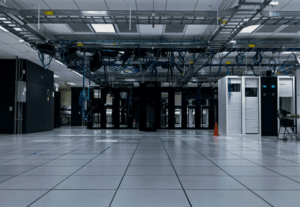
As usual, the day begins early. After arriving at the office around 6:30 a.m., the first step is to prepare for the day with a quick breakfast. Then, the workday officially begins.
At Indonesian Cloud, a VMware Engineer acts as second-level support after the Helpdesk team. Therefore, any cloud or virtualization issues that cannot be resolved at the first level are escalated for deeper investigation.
Daily Activities as a VMware Engineer
The day typically starts with system monitoring. For example, VMware Engineers check tools such as VMware vRealize Operations Manager to monitor the overall health of the cloud environment.
In addition, VMware Log Insight is used to analyze logs from multiple systems. These dashboards provide clear and visual insights into system performance. Fortunately, on most days, systems operate normally.
To stay updated, VMware Engineers also spend time learning. For instance, reading VMware articles and white papers helps improve technical skills. Recently, VMware vSphere 7 has become a key focus, as it introduces new features and improvements.
Handling Customer Requests and Escalations
As the day progresses, new tasks often arise. For example, a Helpdesk escalation ticket may require immediate attention.
In one case, a customer requested assistance with configuring VMware NSX in their virtual data center. The goal was to enable VPN connectivity.
Therefore, the VMware Engineer worked on configuration and testing for about an hour. After successful implementation, proper documentation was created. As a result, similar future requests can be handled more efficiently by the Helpdesk team.
Lunch Break
Taking a break is essential to maintain productivity. During lunch hours, many employees choose takeaway meals and eat in designated areas.
However, due to health and safety protocols, occupancy is limited. Therefore, only a few people can share the dining space at a time.
Afternoon Activities and Collaboration
After lunch, work continues with new priorities. For example, a security announcement from VMware may require immediate review.
After analyzing the update, the team may identify the need for a patch upgrade. Therefore, VMware Engineers collaborate with Cloud Engineers to plan the next steps.
Key considerations include:
- Potential impact on customers
- Whether downtime is required
- Scheduling the update
- Defining implementation procedures
After internal discussion, approval is requested from a supervisor. Once approved, the team coordinates with the Helpdesk to inform customers.
End of the Workday as a VMware Engineer
By around 3:00 p.m., the workday comes to an end. Adjusted working hours help reduce congestion and support health protocols.
However, responsibilities do not fully stop. A VMware Engineer remains on-call to support the Helpdesk team if needed. Therefore, teamwork plays a critical role in maintaining service quality.
Life After Work
After returning home, it is important to rest and recharge. For example, watching YouTube or enjoying personal time helps maintain work-life balance.
Even so, readiness to respond to urgent issues remains part of the job. This commitment ensures that customer services always meet the agreed Service Level Agreement (SLA).
Conclusion
A day in the life of a VMware Engineer involves monitoring systems, solving technical issues, and collaborating with teams. Although the tasks can be complex, they are essential for maintaining reliable cloud infrastructure.
At Indonesian Cloud, the Operations Team is dedicated to delivering high-quality service. Therefore, every VMware Engineer plays an important role in ensuring customer satisfaction.
If you would like to learn more about cloud technology or Indonesian Cloud services, please visit our official website at Indonesiancloud.com. See you in our next article.