

Infrastructure scalability is essential for modern companies. Today, websites manage transactions, customer data, and internal workflows. However, systems do not always grow at the same pace as the business. As a result, operational problems can appear earlier than expected.
Therefore, companies need to watch for early warning signs. This guide explains how to identify potential scalability issues before downtime affects daily operations.
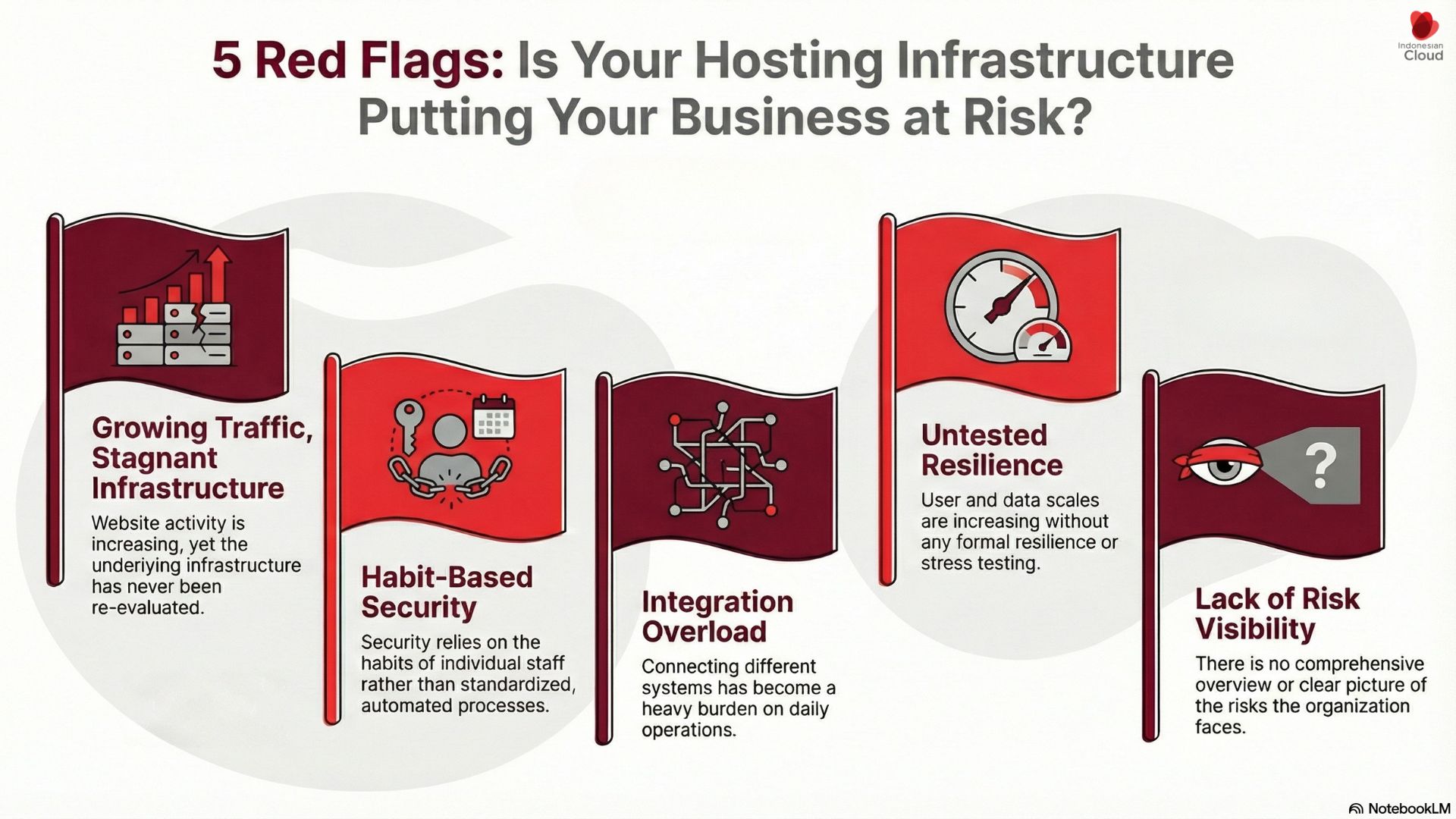
1. Traffic Growth Exceeds Infrastructure Scalability
As usage rises, resources must expand. However, many teams ignore capacity planning. As a result, performance drops during peak hours.
Typical symptoms include:
- slow page response
- intermittent errors
- unstable sessions
Consequently, users begin to lose trust. At the same time, teams spend more effort fixing urgent issues instead of improving the service.
2. Security Cannot Scale with Infrastructure Scalability Needs
A larger system needs clearer procedures. Access control, patching schedules, and monitoring should follow documented steps. Otherwise, gaps appear over time.
Regular audits help teams detect weaknesses early and keep services reliable.
3. System Integration Breaks Infrastructure Scalability
Business applications rarely work alone. They connect to CRM, payment gateways, analytics tools, and APIs. When connections grow but resources stay fixed, failures become frequent.
Possible impacts:
- failed payments
- unsynchronized data
- slower workflows
Therefore, architecture planning becomes part of operational planning.
4. Data Growth Without Testing Infrastructure Scalability
Backups are helpful only if recovery actually works. However, many organizations never test restoration under real load.
As a result:
- recovery takes longer than expected
- downtime affects other services
- teams react instead of prepare
Therefore, periodic testing is necessary. It confirms readiness and reduces uncertainty.
5. No Visibility Into Infrastructure Scalability Risks
Without monitoring dashboards and assessment reports, leaders cannot set priorities clearly. Instead, decisions rely on assumptions rather than evidence.
Therefore, regular reviews are important. They provide clear insight and help align technical upgrades with business goals.
Quick Self‑Assessment
Ask yourself:
- Does the website generate revenue?
- Have small outages affected users?
- Are multiple systems connected?
- Is security routine?
- Are you planning expansion?
If yes, evaluation is necessary.
Conclusion
Good capacity planning improves stability and supports long‑term growth. By reviewing architecture regularly, companies reduce incidents and operate more confidently. Need professional guidance? The Indonesian Cloud team can review your environment and propose improvements aligned with business objectives.