When you search for “ERP” on the internet, you will find a lot of information that can be confusing. Each website seems to have its own definition of ERP, and one ERP implementation can differ significantly from another. However, these differences are exactly what make ERP such a powerful business tool.
ERP: Definition and Benefits
To understand how an ERP system can transform your business toward success, it is important to first understand what ERP is and how it works. ERP stands for Enterprise Resource Planning, which refers to an integrated business software system used to manage sales, finance, projects, manufacturing, supply chains, procurement, e-commerce, and almost all other functions within a company. Simply put, ERP software integrates these various functions into a single, unified system that streamlines information and processes across the entire organization.
The core feature of an ERP system is a single shared database that can be accessed and used by different business units. In practice, this means employees across different departments can rely on the same data source for their respective needs.
A Brief History of ERP
The term ERP was first introduced by research firm Gartner in 1990, but the core concept of ERP dates back to the 1960s. At that time, it was applied to inventory management in the manufacturing sector. Software engineers developed programs to monitor inventory and generate reports. In the 1970s, this evolved into Material Requirements Planning (MRP) to support production scheduling.
In the 1980s, MRP expanded further and became known as MRP II (Manufacturing Resource Planning). By the 1990s, the system evolved beyond inventory control and operational processes to include back-office functions such as accounting and human resources, eventually becoming the ERP systems we know today.
Today, ERP systems also include Business Intelligence (BI) and front-office functions such as Sales Force Automation (SFA), marketing automation, and e-commerce. As ERP systems continue to improve products and deliver proven success stories, companies are becoming increasingly aware of their importance.
Although the “E” in ERP stands for enterprise, small and medium-sized businesses have also begun adopting ERP systems. The rise of Software-as-a-Service (SaaS) has further accelerated this trend. Cloud-based ERP solutions not only make ERP more affordable, but more importantly, they provide real-time reporting and BI. This makes ERP systems even more valuable for executives and staff when accessing and analyzing data. As a result, companies of all sizes are transitioning to cloud-based ERP systems.
Advantages of Using ERP
Report Synchronization and Automation
ERP software offers various levels of report synchronization and automation. Instead of forcing employees to reconcile multiple databases and spreadsheets to generate reports, ERP allows them to pull data from a single system. For example, sales data can automatically flow into the financial system without manual input. Procurement teams can process orders faster and more accurately, while finance teams can close the books sooner. ERP systems also include dashboards or portals that allow employees to quickly understand business performance through key metrics.
Efficiency
In general, ERP helps employees work more efficiently by eliminating barriers between business units and improving collaboration across departments.
Real-Time Data
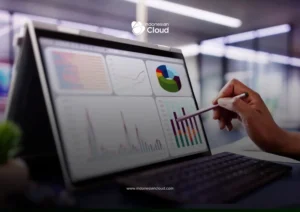
ERP provides real-time data, enabling companies to address issues proactively while improving overall business performance.
Financial Compliance
In addition to aligning multiple departments within a company, ERP improves financial compliance with regulatory standards and helps reduce potential risks.
Customer Focus
ERP is not only beneficial for internal operations—it also enhances customer trust. ERP systems improve customer service by providing a single source for billing and customer service tracking.
Why Do You Need ERP?
You may need ERP if your business currently relies on multiple complex software systems. For example, using Sage for finance, Salesforce for customer relationship management, Microsoft Project for product management, and Magento for e-commerce.
While these systems are effective individually, the downside is fragmented business intelligence. To obtain comprehensive insights, you must manually transfer data between systems or invest in system integrations. This process is time-consuming and can be costly.
Therefore, transitioning to an ERP system is often driven by the need for greater efficiency and effectiveness—and ultimately, increased profitability.
Is ERP Expensive?
Among all the software used in a company, ERP can be one of the most impactful tools for reducing costs and increasing profitability. Here’s why:
-
Consolidating systems allows you to reduce the number of software applications in use.
-
With cloud-based ERP solutions such as NetSuite or SAP Business ByDesign, you can eliminate much of your hardware and IT maintenance costs.
-
ERP improves production processes and operational efficiency, saving both time and money.
-
It enhances customer experience while reducing operational effort, leading to higher profitability.
-
You gain a significant competitive advantage through better business intelligence.
Tips for Successfully Implementing ERP
Evaluate Your Needs
Do you really need a highly sophisticated system? A complex system may not necessarily solve your company’s problems. In fact, many world-class manufacturing companies still use relatively simple systems to manage their ERP needs.
Improve Operational Processes
ERP implementation is not meant to fix broken processes. Before investing in an ERP system, you should evaluate and redesign your operational processes.
Customize the Software
ERP vendors typically offer high-standard software with comprehensive modules tailored to specific industries. One of the biggest concerns during ERP implementation is being locked into standardized processes. When customizing ERP software to improve operations, ensure that your competitors do not use the same configurations—this way, you maintain a competitive advantage.
If you are still unsure whether ERP can improve your company’s efficiency and effectiveness, consider contacting Indonesian Cloud. We have a team of Managed IT Services experts who carefully analyze each company’s unique needs and respond with tailored management solutions and professional consulting.
That concludes our explanation. If you would like to read more technology-related articles or need further information about Indonesian Cloud products, please visit our main site at Indonesiancloud.com. See you in our next article.