
Introduction
Data loss has become a serious concern as digital transformation continues to grow rapidly. Today, organizations of all sizes rely heavily on digital systems, applications, and online infrastructure. However, many organizations still lack awareness of how vulnerable their systems can be to cyberattacks.
As a result, many important questions arise. Do organizations truly understand the weak points in their systems and applications that attackers may target? Or do they already recognize these vulnerabilities but do not know how to address them effectively, which eventually leads to data loss?
Therefore, organizations must regularly evaluate the security of their systems. Routine security checks help identify potential weaknesses before attackers exploit them. In addition, these evaluations improve overall system performance and strengthen cybersecurity strategies.
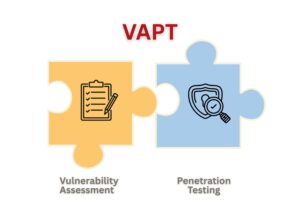
Two common cybersecurity testing methods used today are vulnerability assessment and penetration testing. Although people often use these terms interchangeably, they actually represent different security testing approaches. Because of this, organizations should understand the differences between them in order to choose the most suitable solution.
So, what exactly is the difference between vulnerability assessment and penetration testing? Let’s explore the explanation below.
What is Vulnerability Assessment?
A vulnerability assessment is a security evaluation process that helps organizations identify and measure weaknesses in applications, systems, or IT infrastructure. In simple terms, this method focuses on discovering potential vulnerabilities before they become serious security threats.
During the process, security teams analyze systems and identify possible risks that could expose sensitive information. Furthermore, the assessment filters real threats from false positives, allowing organizations to prioritize which issues require immediate attention.
In addition, vulnerability assessment helps organizations evaluate whether their existing security procedures are effective. As a result, companies can improve their defenses and reduce the risk of data loss caused by cyber threats.
Understanding Penetration Testing
Penetration testing, often called pen testing, goes a step further than vulnerability assessment. While vulnerability assessment identifies weaknesses, penetration testing actively attempts to exploit them.
During penetration testing, security professionals simulate the actions of a hacker. They attempt to penetrate the organization’s system or network to determine whether vulnerabilities can be used to access confidential or sensitive data.
Therefore, penetration testing provides a deeper and more comprehensive analysis of system security. It reveals how attackers might actually breach a system and what damage they could potentially cause.
As a result, organizations gain valuable insights that help them strengthen their cybersecurity infrastructure and reduce the likelihood of data loss incidents.
Why Vulnerability Assessment Helps Prevent Data Loss
Although vulnerability assessment and penetration testing have different approaches, both play a critical role in preventing data loss. Below are several reasons why vulnerability assessment is essential for organizations:
-
Early detection of security weaknesses
Companies can identify potential threats and system vulnerabilities early. As a result, they can implement preventive measures before a security breach occurs. -
Prioritization of security risks
Organizations can classify vulnerabilities based on urgency, priority, and potential impact. Therefore, security teams can focus on the most critical issues first. -
Protection against unauthorized access
By identifying weak points in systems and networks, organizations can prevent unauthorized data access and reduce the risk of data exposure.
Penetration Testing to Prevent Data Loss
In addition to vulnerability assessments, penetration testing also provides several important benefits for organizations.
1. Improved System Security
Security testing helps organizations discover weaknesses in their systems. Once these vulnerabilities are identified, companies can strengthen their defenses and reduce the risk of hacking attempts and data loss.
2. Better Protection of Sensitive Data
Organizations store large amounts of sensitive information. Therefore, protecting this data becomes a top priority. Penetration testing helps ensure that confidential company data remains secure from unauthorized access.
3. Maintaining Company Reputation
Weak security systems can harm not only the organization but also its clients. In many cases, a single data breach can damage a company’s reputation that took years to build. However, regular penetration testing helps organizations ensure that their security systems remain reliable and trustworthy.
Preventing Data Loss with VAPT Solutions
Vulnerability Assessment and Penetration Testing (VAPT) provide a comprehensive solution for protecting digital infrastructure. These cybersecurity services help safeguard systems, networks, applications, and data from cyberattacks.
Indonesian Cloud offers VAPT solutions designed to reduce security risks and protect organizations from unauthorized access or cyber threats.
Some of the key features include:
-
Security Assessment
This feature evaluates potential threats and identifies vulnerabilities that could affect your organization’s systems. -
Internal and External Penetration Testing
Internal testing measures system weaknesses within the organization, while external testing simulates hacker attacks to identify exploitable vulnerabilities. -
Security Operations Center (SOC)
This service helps ensure the cybersecurity of your server infrastructure through continuous monitoring and protection. -
Remote Monitoring
Organizations can monitor their systems remotely, making it easier to manage security anytime and anywhere. -
24/7/365 Security Protection
Continuous monitoring ensures that your servers remain protected from threats at all times. -
Regular Security Reports
The system provides continuous reports to inform organizations about the presence or absence of security threats. -
Instant Threat Alerts
Immediate alerts notify organizations when suspicious activities or potential cyberattacks occur.
Conclusion
Understanding vulnerability assessment and penetration testing is essential for organizations that want to protect their digital infrastructure and prevent data loss. These cybersecurity methods help identify weaknesses, simulate cyberattacks, and strengthen system defenses.
By implementing VAPT solutions, organizations can improve their security posture and reduce the risks associated with cyber threats. Furthermore, proactive security measures help companies maintain customer trust and protect valuable business data.
If you would like to learn more about cybersecurity solutions offered by Indonesian Cloud, you can visit our official website at Indonesiancloud.com. We look forward to sharing more technology insights in our upcoming articles.