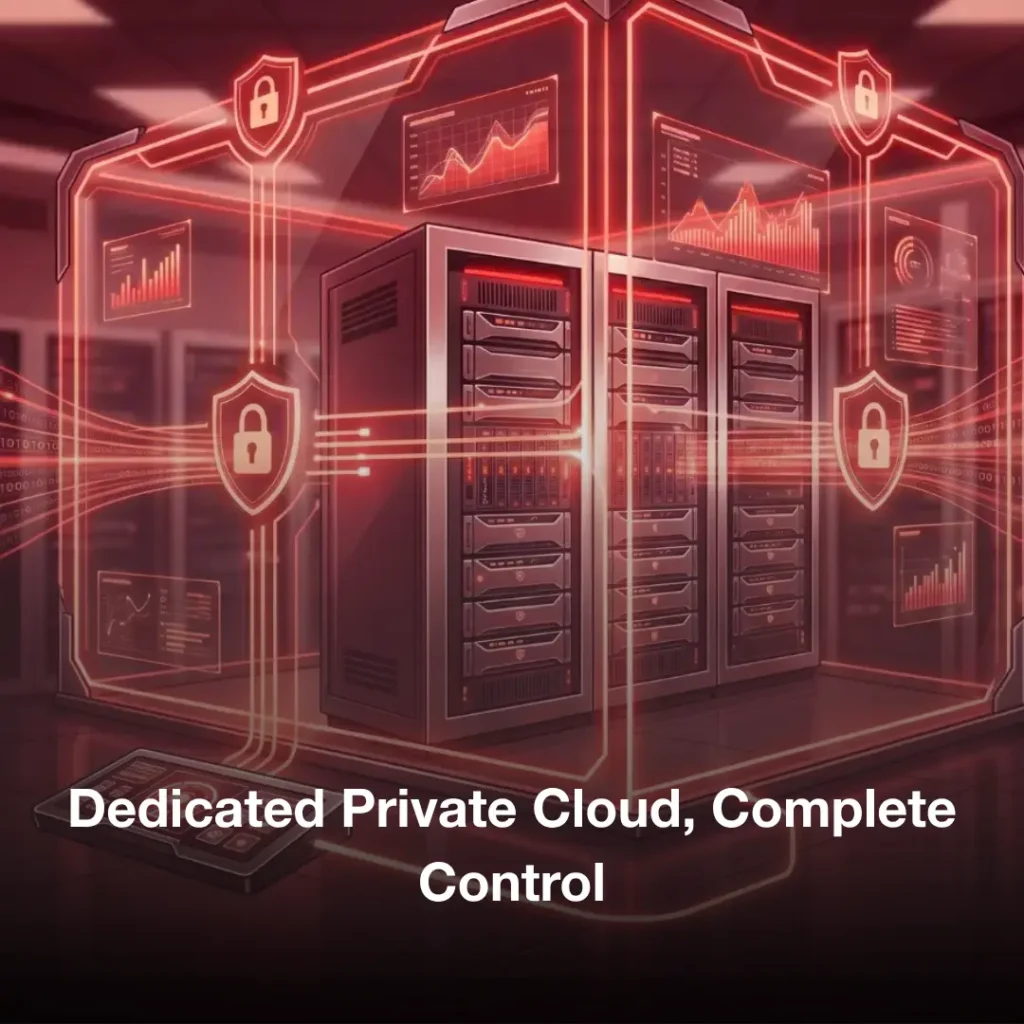
Fully dedicated, secure, high performance servers
Deploy fast and scalable servers for your company
Automatically scale your resource to adapt to changing demands
Physically isolated compute resource pools for your workloads
Boost Performance, Ensure Security.
Manage your Kubernetes service
Best scalable object storage for your company
Persistent block storage
Cloud backup for in-cloud and on-premise resource
Data Protection for cloud servers
Open source database resource to handle massive volumes of concurrent request
RDS for SQL Server is reliable, scalable, inexpensive, and easy to manage.
Open source database that ensure data reliability and integrity
Learning platform to scale up your human resource level
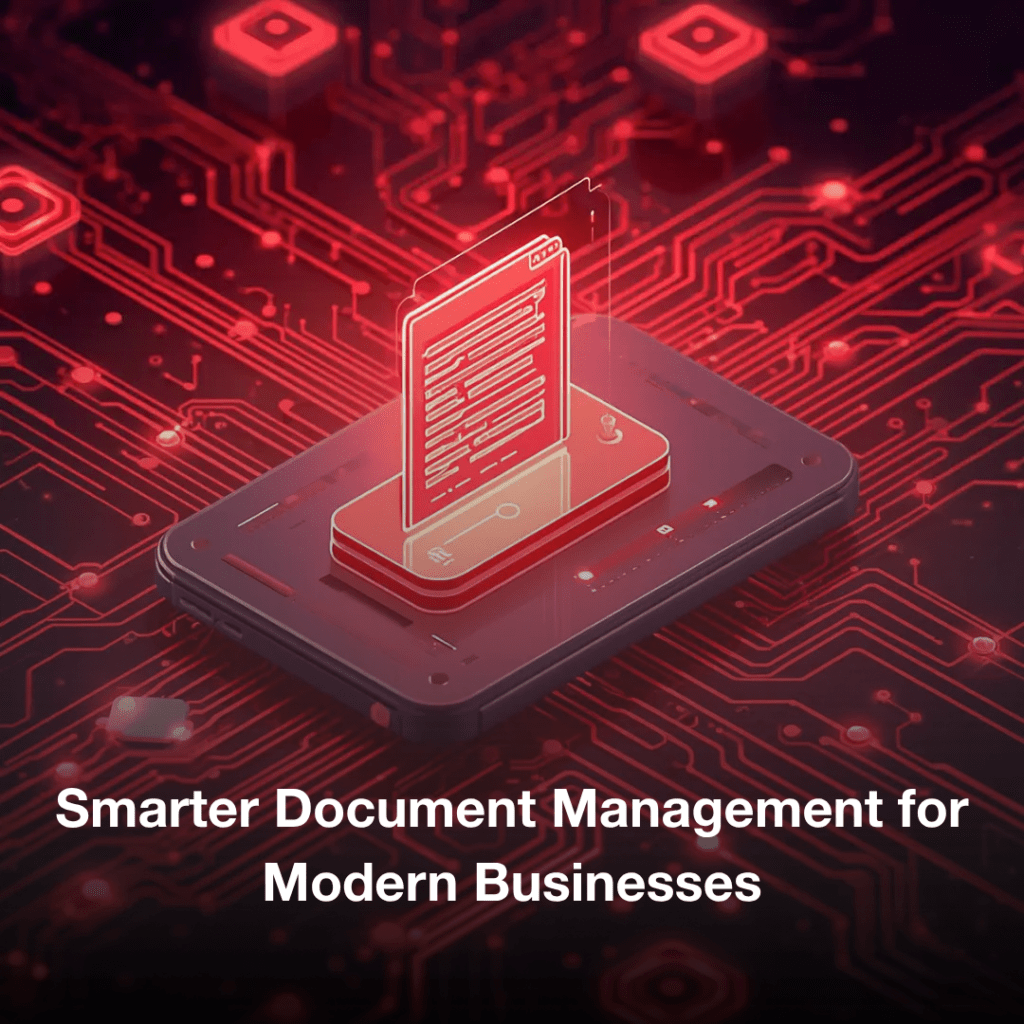
Manage your documents just in one secure and reliable platform
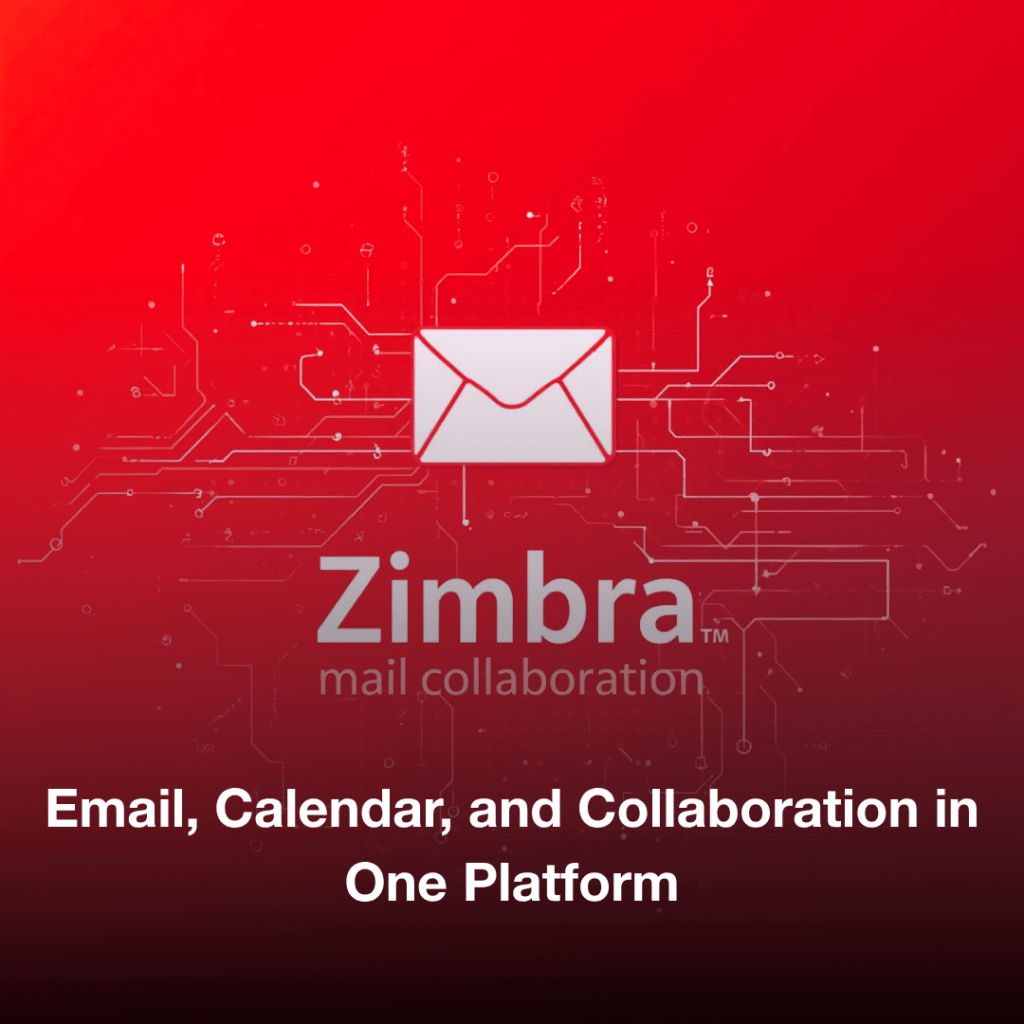
Give you the best mailing experience day to day basic
All for one, one for all, the most comprehensive package you will ever had
Make your Life More Immersive
Digitalize your credit scoring system to the next level
Check your customer credit scoring without wasting your time
Track, manage, your company asset in one click away
Application activation, offers, and automated transactions
Get the report for your brand trought your social media platform
Monitor your potential vehicle accidents and disaster with Vehicle Behavior Anomaly
Managing and overseeing Ships with Vessel Behavior Anomaly
Social Media Booster To Boost Your Digital Media Platform
Build Smart Converational Bot for Business at Scale.
Build Customer Interactions in any channels & Track and monitor any ticket from multiple channel inquiries
Create Live Conversation experience to the next level
Attract and retain Customer for ever lasting relationship
Bring your business into another level by adding new channeling
Object Storage Service (OBS) provides users with unlimited storage capacity, stores files in any format, and meets the needs of general users, websites, companies, and developers. Neither the OBS system nor individual buckets have storage capacity limits or restrictions on the number of objects/files that can be stored. As a web service, OBS supports APIs via Hypertext Transfer Protocol (HTTP) and Hypertext Transfer Protocol Secure (HTTPS).
Achieve up to 12 nines (99.9999999999%) data durability and 99.995% service availability.
Enjoy high-performance data storage options with 10 million TPS, 2.4 Gbit/s single-stream upload, and less than 10 ms latency for uploading small objects.
Object Storage Service provides an elastic storage system that can be scaled in real time. When used in combination with big data services on Huawei Cloud, it can dramatically reduce your costs, accelerate innovation, and make data management easier.
Advantages
OBS can handle high-volume concurrent connections and sudden traffic spikes. You don’t need to worry about capacity. OBS can handle anything you throw at it.
Scalable resources. You only pay for what you use.
OBS provides 99.995% availability. Your service continuity is guaranteed.
Object Storage Service offers affordable and always-available website hosting solutions, with automatic scaling to handle varying website traffic. You can use OBS together with CDN and ECS to quickly build your website or application with dynamically and statically managed content.
Advantages
The best data access experience: high concurrency, large bandwidth, and low latency.
With multi-level reliability, OBS provides excellent data durability and service availability.
Scalable resources. You only pay for what you use.
Object Storage Service provides REST APIs and software development kits (SDKs) in multiple languages, and is compatible with all major clients. With it, you can upload, download, and manage your data anytime, anywhere.
With secure authentication, encryption, URL validation, and granular permission controls, keep your data safe and secure in storage or during transfer.
OBS provides highly reliable and affordable storage for handling large-scale video surveillance data, with high concurrency and low latency.
Advantages
OBS supports up to 10 million cameras without compromising streaming quality or smooth playback.
Scalable resources where you only pay for what you use, with no additional hidden O&M costs.
OBS provides 12-nines (99.999999999%) reliability. Your data is highly secure.
OBS, Media Processing Center (MPC), and Content Delivery Network (CDN) can be used together to build a highly available VOD platform.
Advantages
OBS can handle high-volume concurrent connections and sudden traffic spikes. You don’t have to worry about capacity. OBS can handle anything you throw at it.
Scalable resources. You only pay for what you use.
OBS provides 99.995% availability, a level that guarantees the continuity of your service.
Manage data in the cloud using REST APIs and SDKs. Enjoy a robust third-party ecosystem.
Take advantage of different storage classes for different scenarios. Pay only for what you use.
Enjoy linear, scalable storage resources. Enable deep integration with other services.
Protect your data with robust and flexible security measures and granular access controls.
Ensure availability by using highly reliable data centers and configuring cross-data center disaster recovery.
Manage your data efficiently with convenient storage policies.
A Cloud Container Engine (CCE) is a managed container orchestration service provided by cloud platforms that allows developers to deploy, manage, and scale containerized applications with ease. It is typically built on top of Kubernetes and abstracts away the complexity of managing the underlying infrastructure, so teams can focus on building and running their applications.
Virtual machines (VMs) run a full operating system on top of a hypervisor, making them heavier and slower to start. Containers, on the other hand, share the host OS kernel and only package the application and its dependencies, making them significantly more lightweight, faster to deploy, and more resource-efficient. A Cloud Container Engine manages these containers at scale automatically.
The key benefits include simplified container orchestration without managing Kubernetes clusters manually, automatic scaling and self-healing of containers when failures occur, seamless integration with other cloud services such as storage, networking, and monitoring tools, as well as consistent deployment across development, staging, and production environments.
Several widely used services include Google Kubernetes Engine (GKE) by Google Cloud, Amazon Elastic Kubernetes Service (EKS) by AWS, Azure Kubernetes Service (AKS) by Microsoft Azure, and Huawei Cloud Container Engine (CCE). Each offers managed Kubernetes with varying levels of automation, pricing models, and ecosystem integrations.
Absolutely. While CCE is commonly associated with large-scale enterprises, many cloud providers offer free tiers or cost-effective entry plans that make it accessible for smaller teams. Startups can benefit greatly from its ability to scale rapidly, reduce infrastructure overhead, and maintain high availability — all without needing a dedicated DevOps team to manage bare-metal servers.