Cloudian Object Storage is a modern technology that manages data as objects instead of traditional files. In general, all data is stored in a single large repository. At the same time, this repository can be distributed across multiple physical storage devices without dividing data into folders.
In practice, Object Storage is designed to store unstructured data such as MP3, MP4, JPG, GIF files, and more. As a result, businesses can store and manage large volumes of data more efficiently.
What is the difference between Object Storage, File Storage, and Block Storage?
Object Storage
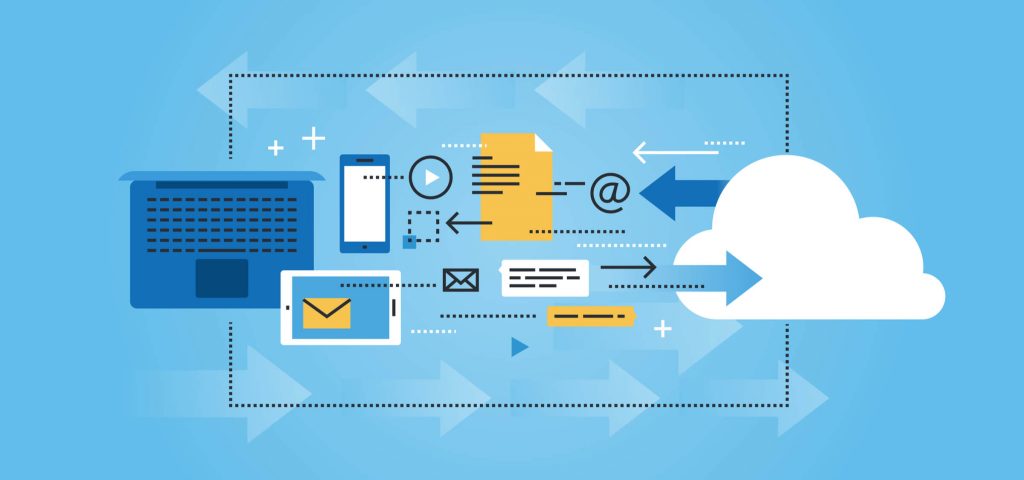
Object Storage consists of data blocks that form a file, also known as an “object,” along with its metadata. In addition,each object includes extra metadata that allows flexible data access without a hierarchical structure. As a result, all objects exist in a unified address space.
To retrieve data, users simply provide a unique ID. Unlike traditional systems, there is no need to follow a folder path.
From a technical perspective, Cloudian Object Storage uses TCP/IP for communication. Moreover, devices interact through HTTP and REST APIs.
Metadata plays a critical role in this system. For example, users can define metadata to categorize and manage data efficiently. Therefore, data within the storage pool can be analyzed and retrieved more flexibly.
Another key advantage is scalability. Users can group multiple storage devices into large storage pools. As a result,data can be distributed across locations, improving both resilience and availability.
File Storage
File Storage organizes data into folders and directories. In other words, it follows a hierarchical structure similar to traditional document storage.
When accessing data, the system must follow a specific path within the folder structure. Because of this, retrieval can be slower compared to object-based systems.
Typically, File Storage uses TCP/IP for transmission. In addition, systems rely on protocols such as NFS for Linux and SMB for Windows.
Block Storage
Block Storage divides data into smaller blocks and stores them separately. Each block has its own address, which allows direct access without navigating folders.
As a result, the system can retrieve data faster. However, the storage software must reassemble the blocks when a file is accessed.
In terms of infrastructure, Block Storage uses FC or iSCSI protocols. Furthermore, it operates through direct-attached storage or Storage Area Networks (SAN).
What Are the Benefits of Using Cloudian Object Storage?
1. High Reliability
As technology continues to evolve, reliable storage becomes increasingly important. Therefore, businesses need systems that can adapt quickly.
With Cloudian Object Storage, companies can scale storage capacity based on their needs. As a result, they maintain flexibility while ensuring consistent performance.
2. Cost Efficiency (CapEx and OpEx Savings)
In addition, Object Storage helps reduce overall costs. By eliminating the need for expensive hardware, companies can lower capital expenditure (CapEx).
At the same time, operational costs (OpEx) decrease because businesses only pay for the storage they use. Therefore,this model improves cost efficiency significantly.
3. Data Protection
Most importantly, Cloudian Object Storage ensures strong data protection.
- Data remains available even if one or more nodes fail
- Systems operate in a clustered environment
- Data is protected from hardware failures
- Storage design ensures high availability and durability
Because of these features, businesses can maintain data integrity even during unexpected disruptions.
Conclusion
In conclusion, Cloudian Object Storage provides a scalable, reliable, and cost-efficient solution for modern data management. As data volumes continue to grow, businesses need flexible storage systems that can adapt quickly.
Therefore, Indonesian Cloud offers Object Storage services powered by Cloudian Object Storage. With this solution,companies can align storage costs with actual usage while improving efficiency.
For more information, visit our main site at IndonesianCloud.com to explore more. Feel free to contact us to learn more about our solutions. See you in our next article!